

This article was updated on 04/28/2026
The camera placement process.
Blocking is a crucial aspect of filmmaking and theater productions, as it enables the director to visualize and plan the movement of actors and cameras within a scene.
Based on the goals of the project and the target audience, our production team formulates a plan of action. During pre-production, the production team should determine whether blocking a scene is necessary before filming begins. Making a shot list early allows you to plan and prepare for a comprehensive shooting schedule.
Working with a director of photography who has experience filming on set and has developed a photographic eye for capturing visually compelling shots is essential. Blocking a scene includes framing, which creates interest through unique juxtapositions of people and their environment.
Efficient blocking is especially crucial in low-budget films to save time and resources. Time is money.
You are likely to run into an unknown while shooting, so having experience will play a significant role in ensuring your production is on time and within budget. We don’t account for mistakes, as it takes considerable financial and human resources to prepare for the big day. Our production team always makes certain that we capture the shots we need, and a seasoned director or producer can improvise on the fly if things change or go wrong.
Just like the Boy Scout motto says, 'Be prepared.'
Your Guide To Scene Blocking

Understanding the Importance of Blocking
Blocking helps create a clear, engaging visual narrative by guiding the audience’s attention and emotions. The way actors move, where they stand, and how the camera responds can create tension, intimacy, distance, energy, or unease while supporting the director’s vision.
In film, blocking coordinates the movement of actors with camera placement to establish the tone of a scene and capture performances effectively. In theater, it helps create a dynamic stage presence by shaping how actors move and interact. Think of it like choreography for dancers.
Taking the time to plan blocking can save valuable shooting time, simplify camera placement, give actors confidence in their movements, and reduce mistakes during production.

Preparing for the Scene Blocking Process
Preparing for the blocking process starts with understanding the script, characters, and overall intent of the scene. That analysis helps determine how the action should be staged and what the audience needs to see and feel.
From there, create a storyboard to visualize the placement of actors and cameras, followed by a shot list outlining the key shots, angles, and camera movements. Together, these tools provide a roadmap for the shoot and help keep production moving efficiently.
Rehearsals are equally important. Give the actors time to work through their movements and make adjustments before the cameras roll. This helps everyone feel more comfortable and gives the director an opportunity to refine the camera placement.
Many corporate videos don't require professional talent. Instead, you may be working with employees who aren't used to being on camera. Be patient, give clear direction, and keep expectations realistic. In many cases, you'll be capturing B-roll for a essence of a brand video, which provides you more flexibility in how the action is blocked and captured.
Finally, scout the location carefully. Understanding the space ahead of time makes it easier to plan camera placement, actor movement, and any limitations that could affect the scene.

Every video production that involves talent requires six stages of the blocking process.
1. Scouting: This pre-production stage is contingent upon how familiar the crew is with the location. Most video production companies will film at new places they have never visited. Scouting a location involves the DP (Director of Photography) and the person in charge of lighting, usually the lead gaffer on the project. They will visit the site before the day of production, determine shooting locations, and create an inventory of the gear and lights needed for the production.
2. Block and Stage a Scene: The director will determine where the talent will be on set in relation to the camera position. Film blocking is about directing your audience's eyes to where you want them to look and how you want them to feel, not just where your performers stand.
3. Lighting: The Director of Photography will work with his or her lighting crew to determine what lights will be needed and their placements to prepare the cameras to start rolling.
4. Rehearse: It’s time to go through the motions with the actors and the crew. Rehearsing will ensure that the talent hits their mark and that the cameras are in the desired position to capture the action.
5. Adjustments: The lighting crew will make final adjustments so the talent and set are evenly lit.
6. Shoot: This is the most significant part of the video production process. Shoot the first scene, then move on to the next!
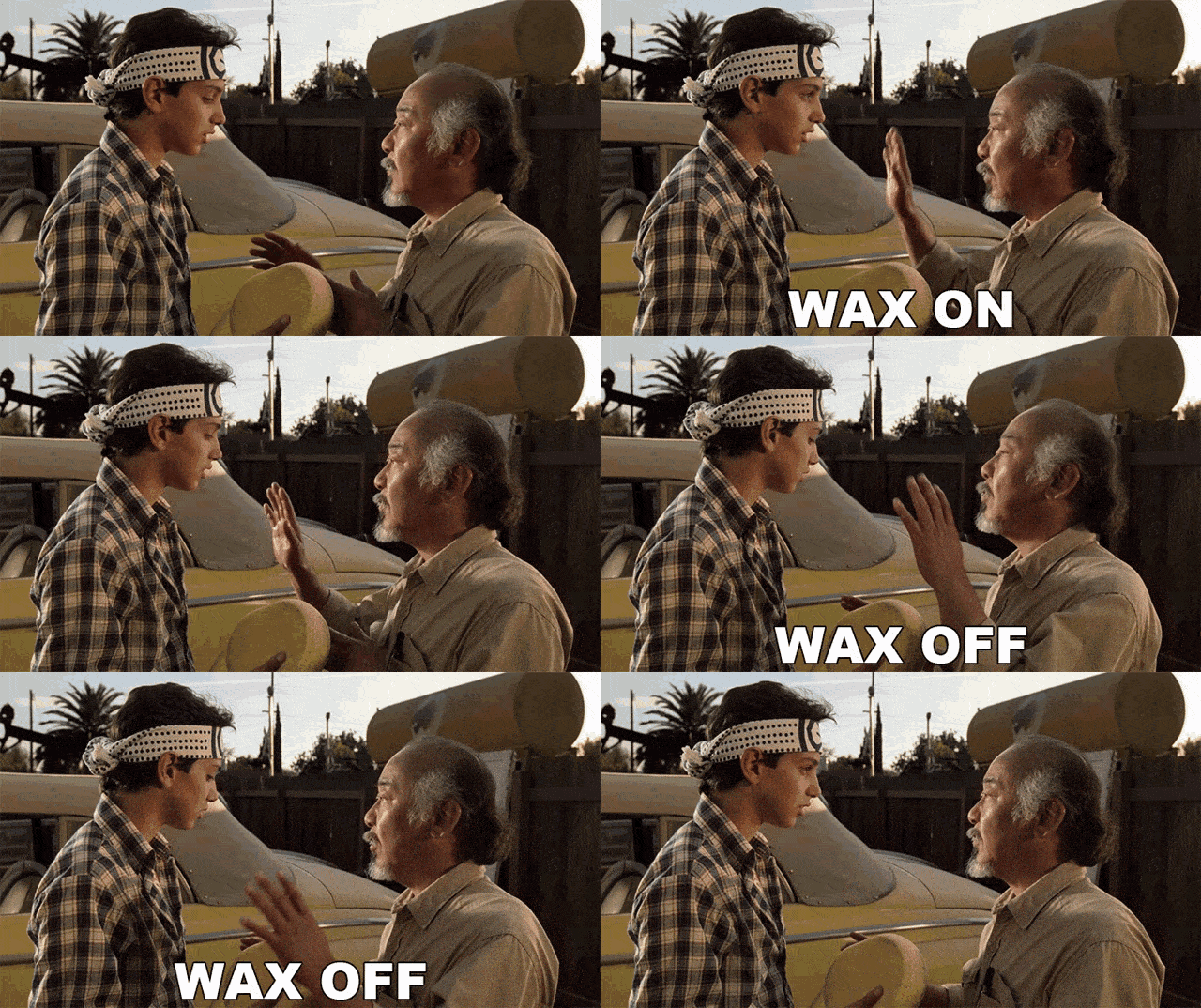
Refining and Rehearsing Blocking
Refining and rehearsing is where the blocking gets tested in the real world. Camera positions may need to shift, an actor’s movement may feel unnatural, or the timing of a moment may work better than originally planned.
Work with the talent to make their movements feel comfortable and motivated rather than overly choreographed. Run the scene enough times to refine the timing, eyelines, camera placement, and interaction between performers.
Be willing to adjust the shot list along the way. Rehearsal often reveals better angles, stronger performances, or simpler ways to capture the scene. The goal isn’t to rigidly follow the original plan—it’s to determine what works best once everyone is in the space.

Avoiding Common Camera Placement Pitfalls
Common pitfalls in film blocking can hurt a scene’s emotional truth, disrupt continuity, and waste valuable production time.
Camera placement matters just as much as actor movement. A poorly chosen angle can weaken the composition, miss important action, or create unnecessary coverage. Clear communication with talent is equally important so everyone understands where they need to be and why.
Also pay attention to the relationship between actors, props, and the surrounding space. A cluttered frame or awkward movement can distract from the story instead of supporting it.
Finally, keep continuity in mind. Actor positions, gestures, props, and movement should remain consistent from take to take so the footage cuts together smoothly. On larger productions, a script supervisor typically tracks these details. If you don’t have a script supervisor, have another crew member keep an eye on continuity during the scene.
Tips to consider when blocking a scene and planning an actor's moves.
Learning how to block a scene is essential to becoming a skilled filmmaker. Every director works with actors to determine how they stand, move, and interact within a scene. Great directors take it a step further, using blocking deliberately to reflect character relationships, tension, and dynamics. Mastering these visual choices can make a big difference in how a scene feels and how clearly the story comes across.
- Create a shot list before you start shooting. Having a plan is a huge help, but you can certainly make changes on the fly once filming begins.
- It’s great to work with a crew you already know. Everyone understands how you like to work, you know the personalities are a good fit, and that matters because sets can get tense. Above all, you know they have the experience to get the job done.
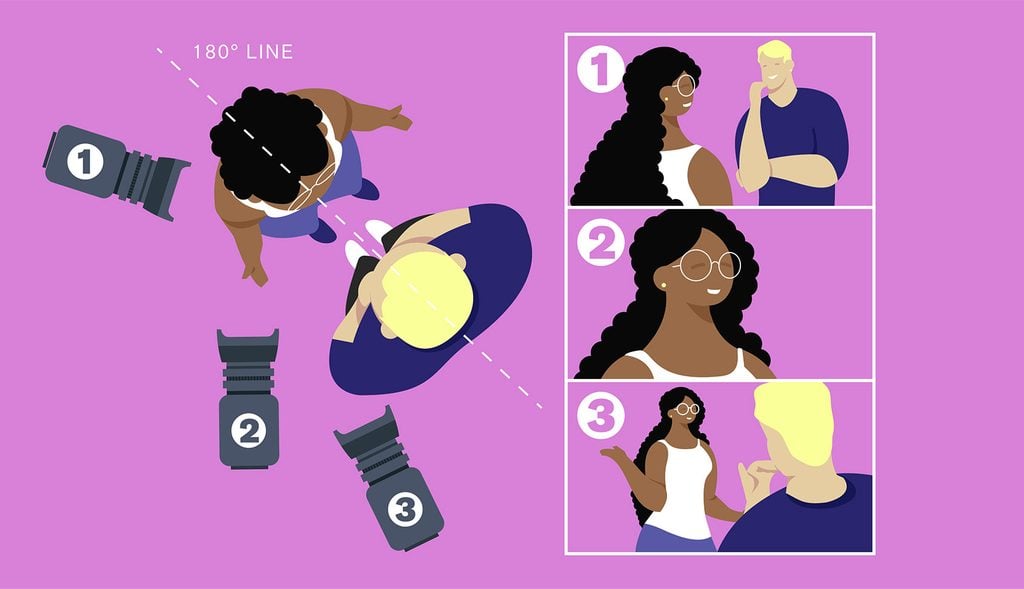
- Remember the 180-degree rule while shooting; continuity is key. That said, sometimes rules are made to be broken. Keeping action moving in one direction can also simplify the process, especially on lower-budget productions.
- You might want to let experienced talent ad-lib a little and see if they bring something more compelling to the shot. When working with non-actors, though, more direction is usually better. The process may be completely foreign to them, and asking them to figure out their moves can cost you precious time.
- Think about the camera position one last time. Sometimes the environment plays just as important a role as the talent delivering the lines. The environment can be the unknown actor.
- Don’t hesitate to get a second opinion if you’re unsure about a shot. I’ve gotten some fantastic advice over the years from crews I know and respect. Something may have changed or shifted on set without you realizing it.
- Try shifting camera positions if you’re just not feeling the scene. You might not have another opportunity. Everything is there and set up, so go for it.
- Mark all camera positions if you need to repeat a scene the following day. A few marks with gaff tape can save you a lot of misery trying to recreate exactly where the cameras were.

And that's a wrap! Don't forget to save valuable shooting time.
Being on set with a talented crew is rewarding, fun, and challenging. Sometimes, video production budgets aren’t what you want them to be, which means you may have to wear more than one hat. You might be directing, blocking a scene, and operating the camera all at once. That’s why experience on set matters.
I’ve learned a lot from working with professionals in other disciplines and listening to their advice. Being behind the camera is still one of the most rewarding parts of my work. I love the challenge of taking something ordinary and finding a way to make it extraordinary.
If you need help with your next film or video project, reach out to Mighty Fine Production Company.
Scene Blocking and Camera Placement FAQs
What does blocking mean in video production?
Blocking is the process of planning where the talent, camera, and key production elements will be placed during a scene. It helps the director, director of photography, crew, and talent understand how the action will unfold before filming begins.
Why is blocking important before filming?
Blocking saves time, reduces confusion, and helps the production team capture the right shots efficiently. When actors, camera positions, lighting, and movement are planned ahead of time, the shoot runs smoother and there is less chance of missing an important moment.
What is the difference between blocking and staging?
Blocking usually refers to the movement and placement of talent and cameras within a scene. Staging is broader and includes how people, props, background elements, and the environment are arranged visually. Together, they help guide the viewer’s eye and support the story.
Who is responsible for blocking a scene?
The director usually leads the blocking process, often working closely with the director of photography, producer, camera team, lighting crew, and talent. On smaller productions, one person may wear several hats, but the goal is the same: make sure everyone knows the plan before the camera rolls.
What are the main steps in the blocking process?
The blocking process often includes scouting the location, staging the scene, placing the camera, planning lighting, rehearsing movement, making adjustments, and then shooting. Each step helps the crew identify problems before they become expensive delays on set.
Why does camera placement matter so much?
Camera placement shapes how the audience sees and feels the scene. A small shift in camera angle can change the mood, focus, depth, and visual impact of a shot. Good camera placement helps make the scene clear, intentional, and visually engaging.
What is a shot list, and why do I need one?
A shot list is a planned list of the shots needed for a scene or production day. It helps the crew stay organized, prioritize must-have footage, and avoid wasting time deciding what to shoot next. A shot list can still be adjusted on set, but it gives the production a strong starting point.
Do corporate videos need scene blocking?
Yes, especially when they involve interviews, scripted scenes, product demonstrations, movement, or employee talent. Even simple corporate videos benefit from blocking because it helps non-professional talent feel more comfortable and helps the crew capture cleaner, more purposeful footage.
What is the 180-degree rule?
The 180-degree rule is a filmmaking guideline that helps maintain screen direction and continuity. It keeps the camera on one side of an imaginary line between subjects so the audience does not become confused about where people are positioned in the scene.
How does rehearsal help with blocking?
Rehearsal gives the talent and crew a chance to work through movement, timing, eyelines, camera placement, and lighting before filming. It also allows the director to make adjustments while the stakes are lower, instead of discovering problems during the actual take.
What are common blocking mistakes?
Common mistakes include poor camera placement, unclear talent direction, not marking camera positions, ignoring lighting needs, skipping rehearsals, overcomplicating movement, and failing to consider the background. These issues can slow the shoot down and make the final footage feel less polished.
How can blocking save production time?
Blocking helps everyone know where to stand, where to move, what the camera is capturing, and what needs to happen next. That preparation keeps the crew focused, reduces repeated takes, and helps the production stay on schedule and on budget.