
Picking up a camera and hitting the shutter is easy, but knowing how to frame a shot is another skill altogether.
You might have heard the expression that a person has a "photographers eye.". Like all artistic endeavors, very few are naturally gifted, while a majority of all the other photographers train their eye, so framing good shots becomes second nature.
Famous photographer Cartier Bresson once said, ”Your first 10,000 pictures are your worst." This also applies to video metaphorically since the two mediums are interchangeable when it comes to the art of framing a shot well.
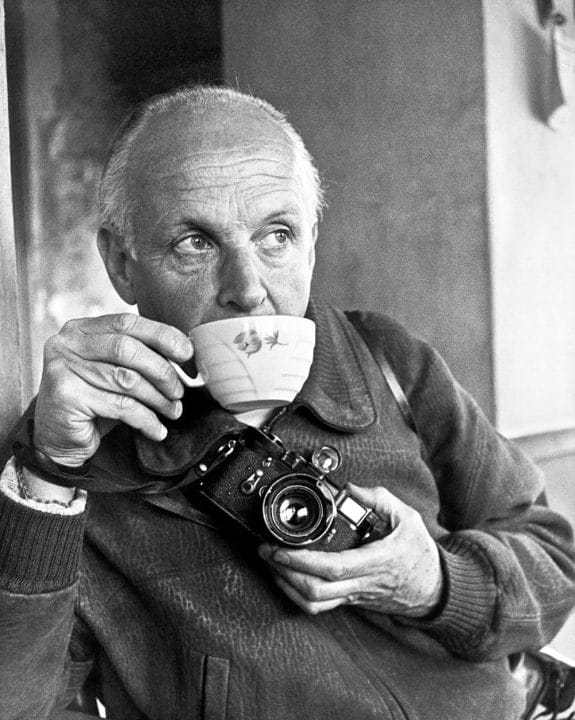
Table of Contents
The Journey of 10,000 Photos to Develop a Photographers Eye
I remember my first days shooting assignments for a class I was taking at a junior college. If there was a boring subject to be photographed, I took it, and it was exciting—not so exciting for the people who had to look at my images. I was learning how to evaluate natural light and what that meant for the picture I was composing.
Simultaneously, I learned F-stops and shutter speeds to control lighting to achieve my desired effect and mood. I also experienced the world differently through the lens of my camera.
This gave me a sense of being invulnerable, so I took more chances than I usually would have without a camera in hand. I kept shooting through the rest of my college career and getting valuable feedback from my professors and my peers.
This is where I began to seriously develop my photographer's eye as things came into focus. I wanted every image to tell a story by creating unique juxtapositions with people and the environment.
Also, I looked for things in the environment that stood out, created visual interest, and could tell a story—creating a narrative within one frame.
The camera became a passport as I began taking more trips around my local area and wherever I would travel. I studied photography in Paris for a summer, which expanded my worldview. There's no shortage of cool, exciting things to photograph in Paris.
You don't need Paris because beauty is everywhere. Avoid capturing the obvious. Look for things in an image that might not reveal themselves immediately, something that makes you take a second look and pinches you in the ass.
There are enough calendars with photos of pretty architecture and statues.
The goal is to reveal and capture the magic in the everyday with my camera. I’ve been shooting ever since as an artist and for work.
A photographic Eye: From Photography to Video
I think most photographers will tell you that they can feel something when they get a good shot — it just feels right. It's visceral. These attributes followed me into the world of commercial photography and video production. I was ready to start shooting, but it wasn’t that easy.
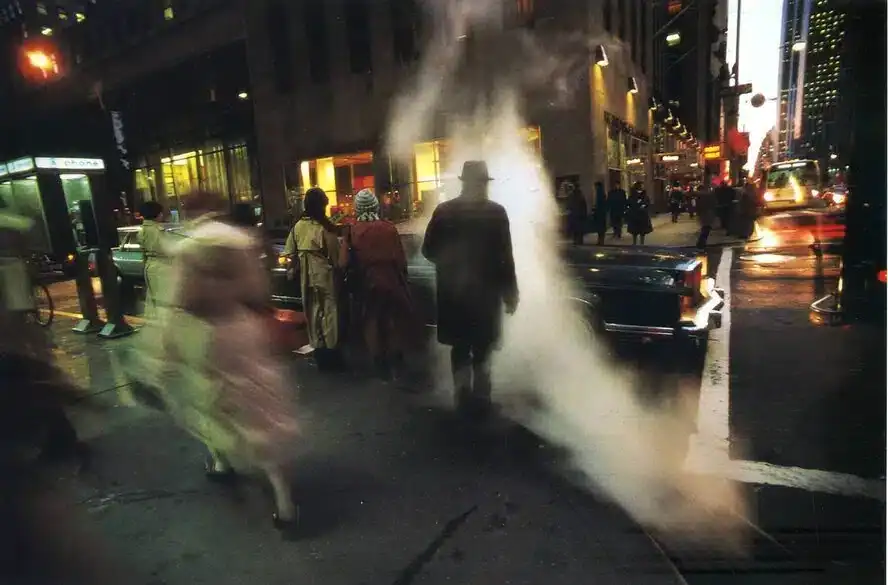
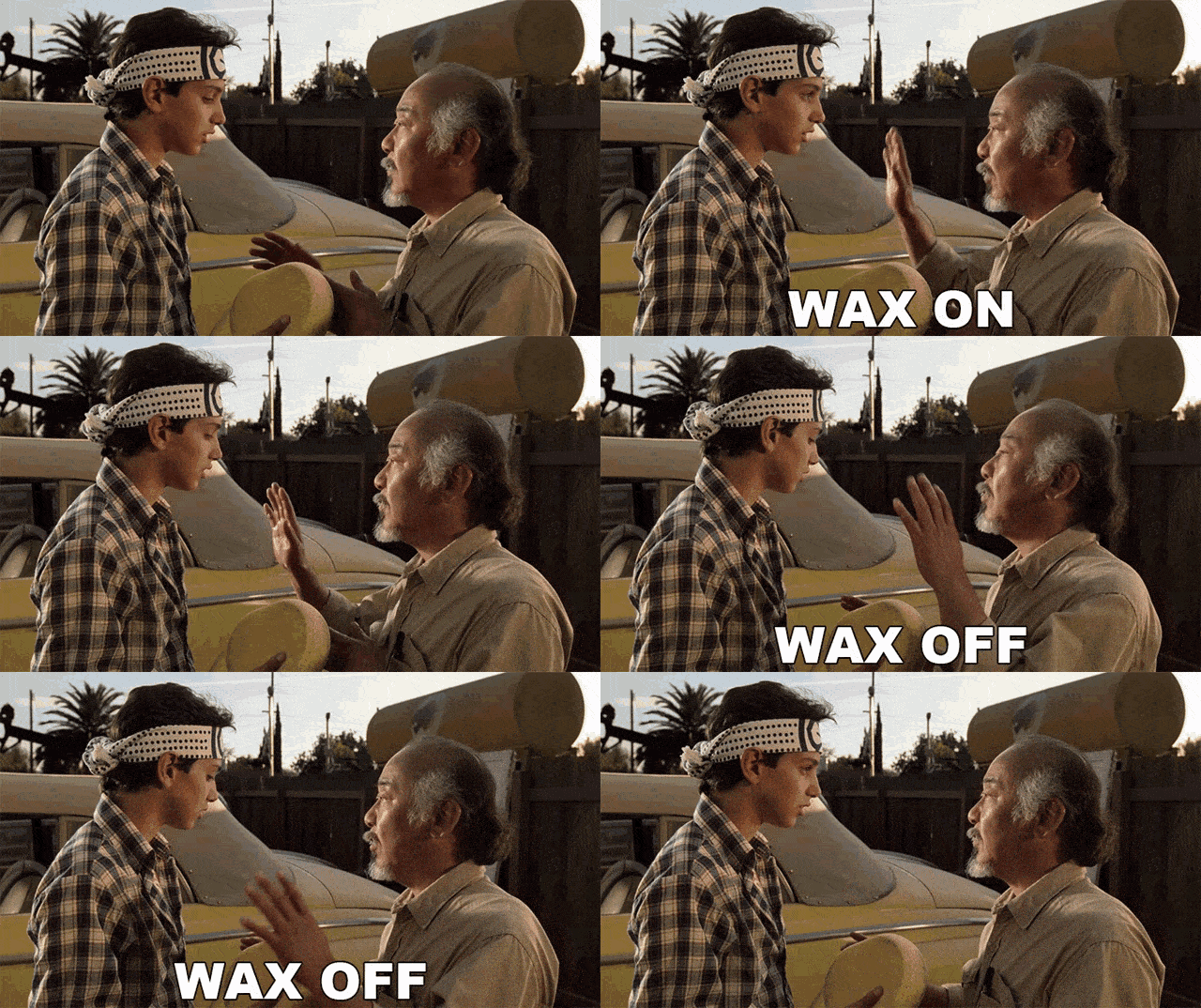
Shooting street photography was my wax-on-wax-off years.
This training wasn't confined to the theoretical; it was about venturing into the world, exploring, and cultivating an aesthetic that resonated with me and what captivates people who are viewing an image. This process of honing my photographic sensibility laid a solid foundation for my transition into commercial video production.
My natural visual abilities were quite valuable in this field. The mechanical and technical aspects of the medium can be learned through various instructional mediums or by apprenticing with a seasoned DP. I also learned a lot from grips and gaffers on shaping the light to compose the right scene.
Developing an eye for photography or video takes years, but the mechanical aspects can be learned relatively quickly. The aim of any shooter is to find an aesthetic that draws people into their work.
But after developing a photographers eye, I was a natural when it came time to block shots on set and capture aesthetically pleasing compositions. At this point, it's all about movement and thinking about the edit while you shoot.
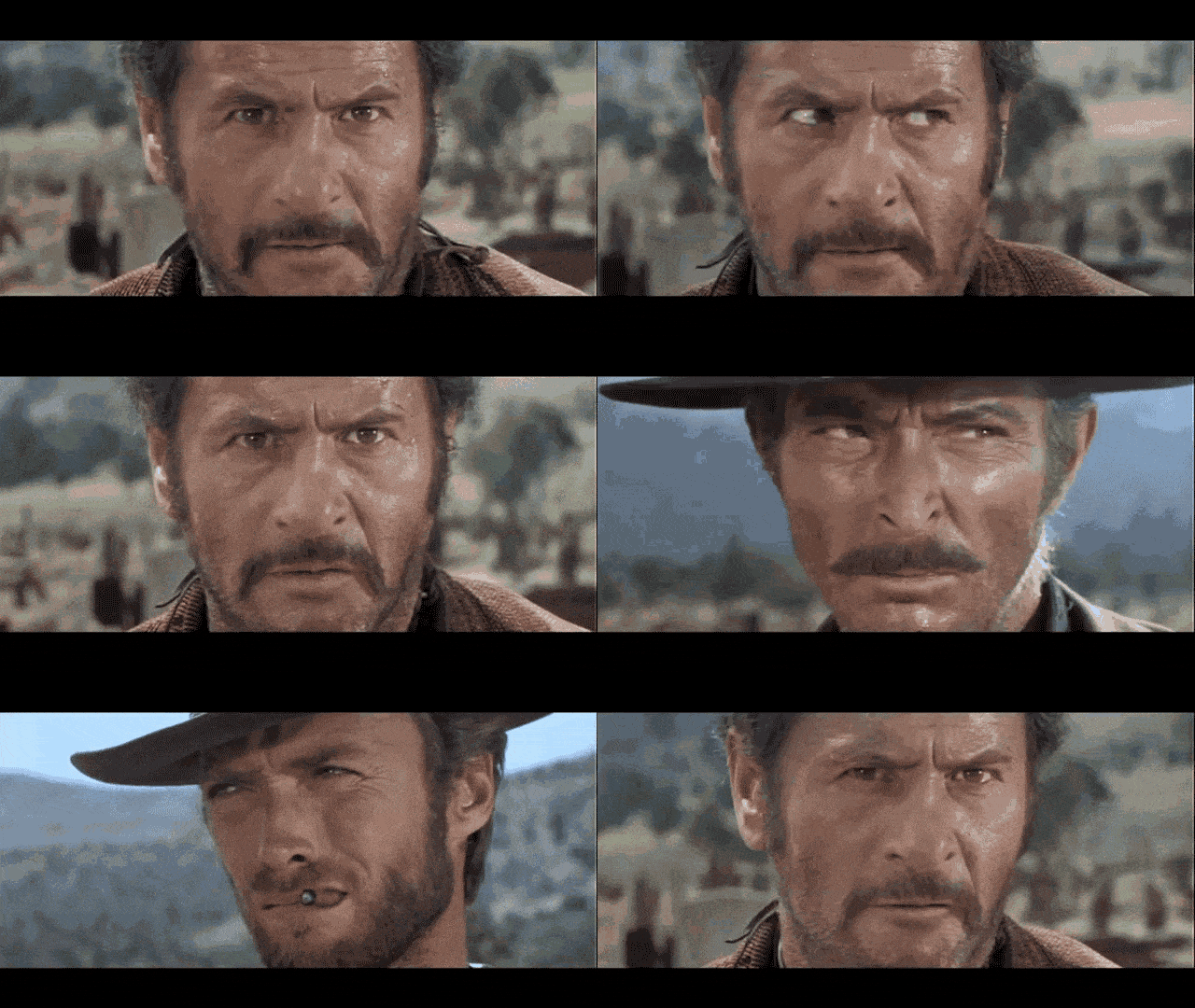
Obviously, there's more to think about regarding video production, but I'm trying to align the basics of learning how to see the world around you.
Photographic Eye Meaning: Discover the World of Photography and Video
A combination of technical expertise, creative vision, and hands-on experience is required to develop a photographic eye and pursue a career in photography or video production. Whether you are trying to get better at your passion or moving on to the commercial world, here are a few things everyone can do on their own:
1. Study Photography of Others
- Study Work by Others: Look at a lot of photographs from various photographers, especially those considered masters in their field. Pay attention to their techniques, subject matter, and the emotions their work evokes.
- Read Photography Books and Magazines: These can inspire, new techniques, and insights into the photography process. Every library has an extensive collection of both. I can't tell you how many times I would visit the university library and consume everything photography that they had. This might sound old-fashioned, but sitting down and paging through books can be very satisfying. There's a sense of solitude with what you are holding in your hand.
- Visit Exhibitions and Galleries: There are so many talented people who are making extraordinary works. A gallery setting allows you to be immersed in the exhibit and see images the way the artist wants you to see them.
- Study Light: Light is a fundamental aspect of photography. Observe how light interacts with subjects at different times of the day and in various weather conditions. Learn how to use natural and artificial light to shape your photos.
- Experiment: Try different photography styles (portrait, landscape, street, macro, etc.) to find what resonates with you and to develop versatility in your shooting. This is an important step because something will stick with you that you make an emotional connection with. I've shot different styles, and I've applied photographs to various mediums. I ultimately ended up with a love for street photography printed on paper.
- Color or Black and White? For me, it's not a question of preference but an appreciation of both. With time and practice, I've refined my ability to view the world in both color and monochrome, making it instinctive to choose the palette that best captures the essence of a particular moment. By the time you've captured your first 10,000 images, discerning whether a scene unfolds its truest self in vibrant hues or the stark beauty of grayscale becomes almost instinctual. Each palette offers its unique narrative depth, and mastering the art of selection is a journey well worth taking.
2. Study Cinema
- Watch Films Critically: Watch a wide variety of films, including classics, foreign films, and contemporary masterpieces. Pay attention to cinematography, lighting, editing, and sound, and how these elements serve the story.
- Learn from the Masters: Study the work of renowned cinematographers and directors. Try to understand their unique styles, techniques, and the reasoning behind their creative choices.
- Analyze Scenes: Break down your favorite scenes to understand how they were shot, lit, and edited. Look into the use of camera angles and movements and how the scene’s construction contributes to the narrative.
Ability To See The Potential
If you aspire to be a photographer or filmmaker, get out there and start shooting! Developing your photographic eye will take time, but nothing can get in your way, and the world can be your canvas—it’s all there for the taking. There’s plenty of magic that happens around us, waiting to be captured by someone like you.
FAQs
What does it mean to have a photographer’s eye?
Having a photographer’s eye means being able to see visual potential in everyday moments. It’s the ability to notice light, composition, contrast, emotion, and storytelling possibilities before taking a shot.
Can you train yourself to develop a photographer’s eye?
Yes. While some people may have a natural visual instinct, most photographers train their eye through practice, study, feedback, and repetition. The more you shoot, review, and refine your work, the more natural composition becomes.
How many photos does it take to become a better photographer?
There’s no exact number, but Henri Cartier-Bresson famously said, “Your first 10,000 pictures are your worst.” The point is that developing a strong eye takes time, experimentation, and consistent practice.
How does photography help with video production?
Photography builds a strong foundation for video because both rely on framing, lighting, composition, and visual storytelling. Once you understand how to create a compelling still image, those same skills can help you block shots, compose scenes, and think visually when shooting video.
What is the best way to improve photography composition?
The best way to improve composition is to study great photography, shoot often, analyze your own images, and pay attention to how light, subject placement, and environment work together inside the frame.
Should photographers study cinema?
Yes. Studying cinema can help photographers and videographers better understand lighting, movement, framing, editing, and story. Watching films critically is a great way to see how visual choices create emotion and meaning.
Is technical camera knowledge more important than creative vision?
Both matter, but creative vision is what helps an image stand out. Technical skills like F-stops, shutter speed, and lighting can be learned, but developing a personal aesthetic takes time, experience, and curiosity.
How can beginners start developing a better photographic eye?
Beginners can start by studying photographers they admire, visiting galleries, reading photography books, observing light throughout the day, experimenting with different styles, and taking lots of pictures.
Is black and white photography better than color photography?
Neither is better. Both color and black-and-white photography offer different ways to tell a story. With practice, photographers learn which palette best captures the mood, emotion, and meaning of a particular moment.
Why is storytelling important in photography?
Storytelling gives a photograph depth. A strong image does more than show what something looks like; it invites the viewer to look closer, feel something, and discover meaning within the frame.