
This article was updated on January 10, 2026.
What Are Motion Graphics, and How Are They Different from 3D Animation?
We’ve always been drawn to things that move—videos, animations, anything with energy. That pull is what makes these dynamic visuals such a powerful way to tell stories today. The relationship between humans and cinema has always been a bit like moths to a flame. We are naturally drawn to the light. In movie theaters, with our phones in hand; driving by digital billboards; and across a variety of screens, our eyes move toward the glow. So why do motion and 3D animation matter? What are the key differences between them? And of course, what does it mean for your brand and the story you’re trying to tell?
For any business, these visual elements play a crucial role in professional branding and marketing, helping to enhance visual identity and attract clients.
Guide To Understanding Motion Graphics
Which Came First, Motion Graphics or Animation
They both tell some semblance of a story; the boundaries blur when it comes to motion design and animation. “The distinction lies in intent—traditional animation tends to focus on narrative arcs and character development, while motion graphics are built around concept, message, and visual rhythm.
Think of the early Walt Disney animated productions. Those animated classics centered around central characters and had longer narratives.
In the early days of motion graphics, the history of the field was shaped by the pioneering work of film studios. These studios played a key role in developing motion graphics, especially for film credits and branding, laying the foundation for the art form as we know it today: Motion Graphic Design.
At the end of the day, the two disciplines will tell stories, communicate ideas, and evoke wonderment.
Something important to note is that these visuals go all the way back to the very beginning of cinema. When the opening credits rolled in the very first film, that was a form of design in motion. Before we knew what it was.
Think about the opening title sequences of our favorite shows and movies. A well-designed title sequence is essential for telling stories visually, as it introduces the tone, story, and visual style of the media. Opening sequences have intricate motion designs that buoy the necessary credits. Which kick off the episodes and movies we binge-watch without remorse. More than that, these sequences also establish a tone and remind the audience of the franchise they’ve been engaged with all along.
For example, think of the James Bond series, Mad Men, Game of Thrones, and Sesame Street. These are some of the most famous works in motion graphics history. Their fonts, colors, movements, and messages all burned into our brains, giving us a sense of familiarity—something memorable. They also set the stage and get us excited about the shows we are about to watch.
Visual design predates the modern technology filmmakers use today. Nowadays, it’s evolving into a more refined art. It’s incredible, with endless possibilities due to the universal availability of software programs like After Effects and now AI-assisted visual workflows.
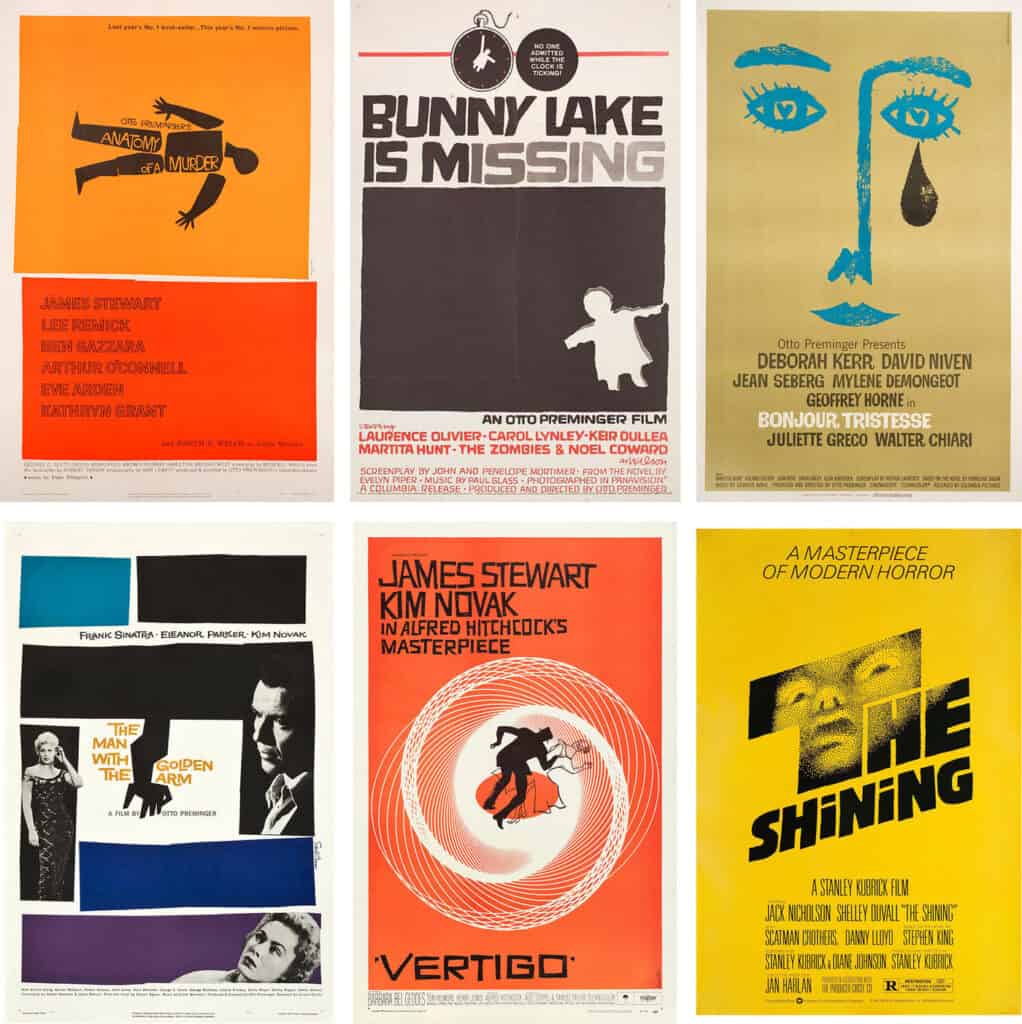
Pioneers in Motion Graphics.
In 1960, John Whitney was one of the first to recognize the art form’s place in the world and start using the term conversationally. His company’s name: Motion Graphics Inc. This was a groundbreaking moment. By naming his company Motion Graphics Inc., Whitney gave the medium a name and a clear creative direction—one that countless designers still follow today.
Of course, Whitney wasn’t alone in shaping the field. Around the same era, another creative duo was making motion graphics a cinematic art form. They were Saul Bass and Elaine Bass, who created some of the most iconic motion graphics in film history. Pioneers in feature film sequences whose famous works include The Man With The Golden Arm (1955), Vertigo (1958), Psycho (1960), and Advise & Consent (1962). At its core, the heart of all of Saul and Elaine’s work is the mission to use simple graphics to convey a film’s mood and get viewers excited for what they are about to watch.
What is Motion Graphics?
Motion Graphics—often referred to as motion design—blend graphic design with animation to create moving, expressive visuals that deliver a message. They borrow elements from photography, illustration, typography, and more to create visually engaging moving compositions. A visual motion designer is responsible for creating these works, using their expertise to animate graphics and visual effects for various industries.
Want proof? Just look at projects like “Traveling Light,” which show how simple shapes and clever design choices can evoke meaning without ever saying a word.
Thanks to illustrated objects, characters, backgrounds, and images—motion graphics videos move, interact, and transform in a way that tells a story or explains a process. The creative process relies on strong design concepts to ensure effective communication.
Motion graphics provide designers with a vehicle to let their imaginations run wild. Facilitating the use of visual metaphors to represent ideas that give the viewer a unique perspective on a story, product, or service. Done quite effectively with the Traveling Light video.
The look and feel of motion graphics depend greatly on the chosen style and the quality of visuals, which help set the tone. The style also influences the cost of motion graphics.
Only the imagination can limit the kinds of stories a motion graphic designer can tell.

So, Why Motion Graphics?
A staggering 85% of Facebook videos are watched on mute. Without sound, static text struggles to hold anyone’s attention, but motion design bridges the gap. By breathing movement into flat infographics and copy, motion graphics turn dry white papers and mind-numbing PowerPoint presentations into dynamic explainer videos that instantly hook scrolling audiences.
Motion graphics do what standard formats simply can't: they distill complex data into visual narratives that anyone—from a five-year-old to a Fortune 500 CEO can grasp in seconds.
The payoff is massive. Motion graphics deliver high-impact visuals without a massive production budget, giving startups and enterprise brands alike a lightweight way to boost ROI. In fact, 89% of B2B marketers confirm that video directly drives conversions. When paired with a smart digital ad strategy, motion design doesn't just outperform traditional TV ads—it turns scrollers into customers before they even turn the sound up.
Depending on your media buying strategy, digital video advertising can even be more profitable than the advertising run on television. Managing a motion graphics project involves careful planning, creative development, and execution to ensure the final product effectively engages viewers and communicates information.
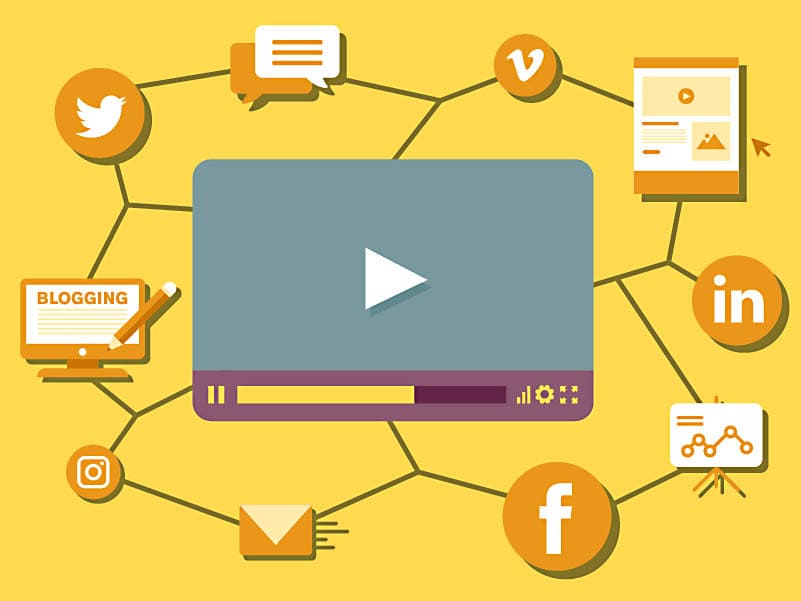
How Are Motion Graphics Used Creatively in 2026?
Motion graphics aren’t just filling in the gaps between scenes or jazzing up title cards anymore—they’re everywhere, adapting to new platforms, technologies, and attention spans. In 2026 the canvas is bigger (and weirder), and designers are using motion to tell stories in ways that are both unexpected and unforgettable.
Here’s how brands, creatives, and storytellers are getting creative with motion graphics this year:
Creative agencies no longer view motion graphics as simple visual polish. In 2026, agencies deploy motion design as a strategic tool to capture distracted audiences, simplify complex offerings, and drive measurable business outcomes for your brand.
Scroll-Stopping Social Animation Agencies build hyper-short, loopable social media animated videos with kinetic typography specifically engineered for feeds like TikTok, Reels, and Shorts. These assets hook scrollers in under three seconds and deliver complete value propositions even when the audio is muted.
High-Conversion Explainer Videos Instead of expecting prospective clients to read dense white papers or navigate slide decks, agencies condense complex B2B services, SaaS products, or technical workflows into 60-second animated explainers that accelerate sales cycles.
UX Micro-Interactions That Guide Action Motion is integrated directly into your website and app interfaces. By animating buttons, pricing toggles, and scroll states, agencies use subtle micro-interactions to guide user navigation, reduce drop-off, and make your digital presence feel responsive.
Dynamic Data Storytelling Agencies turn flat spreadsheets and static reports into moving visual narratives. Animated line charts, counting tickers, and live social visualizations turn dry metrics into engaging presentations that stakeholders and investors easily digest.
AI-Streamlined Asset Production By utilizing AI-assisted tools for rapid storyboarding and repetitive keyframing, agencies pass workflow speed on to you. Less billable time goes to routine technical labor, allowing more of your budget to fund high-level visual strategy and storytelling.
Immersive Spatial & Brand Experiences Modern agencies extend brand identities beyond traditional 2D displays using AR filters, projection mapping, and spatial interface design. These applications turn passive viewing into interactive experiences that elevate overall brand authority.
Cinematic Identity Systems From streaming series to corporate events, agencies build animated title sequences and logo reveals that define a brand's tone instantly, giving your video assets a consistent, premium feel across every channel.
- Social-first animation.
TikTok, Instagram Reels and YouTube Shorts are the testing grounds for playful, ultra-short social media animated videos. Think kinetic typography, animated product drops, or loopable explainers that hook in under 10 seconds. - AI-assisted motion design.
Designers are using AI tools not to replace creativity but to enhance workflows—generating animated templates, building mood boards, and auto-keyframing sequences faster. So more time spent on visual storytelling, less on repetitive grunt work. - Branded micro-moments.
Motion is seeping into UX—buttons, menus, and scroll animations are all becoming tiny branded moments of delight. These microinteractions reinforce identity and turn everyday tasks into cohesive brand experiences. - Data that actually moves you.
Motion graphics are powering dynamic dashboards, live social visualizations, and explainers that make data feel less like a spreadsheet and more like a story. - Virtual and immersive spaces.
Brands are experimenting with projection mapping, AR filters, and even VR-ready motion graphics to build presence beyond the browser. It’s not just about views—it’s about experiences. - Title sequences that define a brand: Whether for film, streaming shows, or branded content, title sequences remain a powerful storytelling device. They set the tone, mood, and message—often becoming as iconic as the content they introduce.
- Explainer videos that educate and convert These short, snappy videos remain a go-to for simplifying services, onboarding users, or pitching ideas. When done well, they transform complexity into clarity.
- Lower thirds and broadcast Used in livestreams, webinars, and news content, animated lower thirds and graphic overlays enhance professionalism and guide viewers through the information seamlessly.
In short, motion graphics in 2026 are more than decoration. They’re interaction and identity all rolled into one. Whether it’s a subtle hover state or a full-screen narrative sequence motion is the heartbeat of modern design.

Your Idea Matters.
Inspiration strikes when you least expect it—and when it does, your idea deserves more than a sticky note or a saved reel. Have you ever been hit in the head with a concept for an explainer video or motion design that you think is a good idea for your brand? Did its brilliance hurt? Did you share that idea with anyone? Our motion design team at Mighty Fine Production Company loves it when someone sends a concept or example to get the conversation going. Whether you're starting from a scribble or a fully fleshed-out storyboard, we’re here to turn that spark into something visually unforgettable.
Frequently Asked Questions About Motion Graphics
What are motion graphics?
Motion graphics combine graphic design and animation to create moving visuals that communicate an idea, explain information, or tell a story. They can incorporate typography, illustrations, icons, photography, data, sound, and other design elements.
What is the difference between motion graphics and animation?
Motion graphics are a form of animation, but they typically focus on design, information, and visual communication rather than character-driven storytelling. Traditional animation is more likely to center on characters, environments, and a narrative arc.
What is the difference between motion graphics and 3D animation?
Motion graphics can be created in either 2D or 3D and are generally designed to communicate a message or concept. 3D animation specifically uses three-dimensional models, environments, lighting, cameras, and simulated depth. A project can also combine the two—for example, animated typography alongside a photorealistic 3D product.
What are motion graphics commonly used for?
Brands use motion graphics for explainer videos, commercials, social media content, product demonstrations, title sequences, animated logos, presentations, data visualization, broadcast graphics, website animation, and digital advertising. They are especially effective when an idea is easier to show than explain.
Are motion graphics good for explaining complex products or services?
Yes. One of the biggest strengths of motion design is its ability to turn abstract or complicated information into something visual and easier to understand. Processes, technology, data, and services that are difficult to film can often be simplified through animation, visual metaphors, diagrams, and carefully timed narration.
Do motion graphics work without sound?
They can. Typography, visual hierarchy, icons, and animation can communicate much of the message even when a viewer has the sound turned off. For social media and other sound-optional environments, motion graphics can be designed from the beginning to work both with and without audio.
How is AI changing motion graphics in 2026?
AI is becoming another tool in the motion designer's workflow. It can help with concept development, reference imagery, storyboarding, rotoscoping, asset creation, and repetitive production tasks. The creative decisions—what the piece should communicate, how it should look, and how the visuals support the story—still require thoughtful direction and design.
How much do motion graphics cost?
The cost depends on the length, visual style, complexity, amount of custom illustration or 3D work, sound design, voiceover, and number of revisions involved. A simple typography-based animation requires a very different production process than a highly detailed 3D or character-driven piece. For a deeper breakdown, read our guide to motion graphics pricing.
Are motion graphics right for my brand?
If you need to explain something, visualize an idea, simplify a complicated message, or make your brand more memorable, motion graphics may be a strong fit. The best approach starts with the message rather than the technique. Once you know what the audience needs to understand or feel, the right combination of motion design, live action, 2D animation, or 3D animation becomes much easier to determine.