

Video can do a lot of things for a business. It can introduce your brand to people who have never heard of you, explain a complicated product in a matter of minutes, or help a potential customer feel confident enough to make a purchase.
But not every video serves the same purpose.
A beautifully produced brand video might leave a lasting impression, while a straightforward product demonstration could be exactly what someone needs before making a buying decision. Both are valuable, but they're doing different jobs.
That's why understanding the different types of video production is important. Before you start thinking about cameras, locations, animation, or production budgets, consider what you want your audience to understand, feel, or do after watching.
Let's explore the types of videos businesses can use to build awareness, educate customers, establish credibility, and turn interest into action.
Types of Video Production
Which Type of Video Is Right for Your Business?
There isn't one video format that works for every marketing challenge. The best choice depends on your audience, what you're selling, and where people are in their decision-making process.
Here's a quick overview of how different video types support business goals.
| Your Marketing Goal | Recommended Video Types | Where They Work Best |
|---|---|---|
| Build brand awareness | Brand stories, corporate videos, promotional videos, social media videos | Websites, advertising, social media |
| Explain products or services | Explainer videos, product demos, animation, educational videos | Product pages, landing pages, sales presentations |
| Build trust and generate sales | Customer testimonials, case studies, FAQ videos, sales videos | Service pages, email campaigns, sales funnels |
| Educate and retain customers | Onboarding, tutorials, training videos | Customer portals, support pages, internal communications |
It's also worth understanding that video types, production techniques, and distribution channels aren't necessarily the same thing.
For example, animation is a production technique that can be used to create an explainer, advertisement, or training video. Social media is a distribution channel that can accommodate almost any type of video, although some formats work better than others.
The goal is to choose the right combination of message, creative approach, and distribution.

Videos That Build Brand Awareness
Brand awareness is where many customer relationships begin. Before someone considers buying from your company, they generally need to know you exist and understand what makes you worth their attention.
These videos introduce your business, communicate your personality, and give people a reason to remember you. Brand awareness isn't built overnight; it's a process that should be included in every marketing campaign.
Businesses should always be thinking about creating content that answers a user's questions or creating fun content that people like to share. Think of awareness like exercising; it's not something you do occasionally but schedule time for.
Brand Story Videos: Give People Something to Connect With
A brand story video goes beyond explaining what a company sells. It explores the ideas, people, values, and experiences behind the business.
Think about a family-owned manufacturer that's been in business for three generations. The company could produce a video listing its products, but showing the people, craftsmanship, and history behind those products might create a much stronger connection. This is especially true in a world dominated by global supply. It always feels especially rewarding for me to know I'm supporting a local business.
The same approach works for professional services, technology companies, nonprofits, and businesses with a compelling story to tell.
Good brand storytelling doesn't mean turning every company into an emotional documentary. Sometimes it's about showing the passion behind a product, the people solving a difficult problem, or what makes the company different from its competitors.
Best for: Building brand recognition, communicating values, and establishing an emotional connection with an audience.
Corporate Videos: Introduce the Company Behind the Product
Corporate video production is a broad category that includes company overviews, leadership interviews, facility tours, recruiting videos, and organizational communications.
A corporate overview video is especially useful for businesses that need to communicate several things at once: who they are, what they do, who they serve, and why someone should work with them.
Imagine a manufacturing company that has invested millions in advanced equipment. Describing its capabilities on a website is one thing. Showing the equipment in operation, interviewing the people who manage it, and demonstrating the company's expertise gives potential customers a much clearer picture.
Corporate videos don't have to feel overly formal, either. In fact, showing real employees and authentic working environments often makes the company more approachable.
The key is making the story relevant to the audience rather than simply delivering a list of corporate accomplishments or boring jargon.
Promotional Videos and Video Advertising: Capture Attention and Inspire Action
Promotional videos are designed to generate interest in a product and service or the benefits of a promotional offer. Unlike a broader brand story, promotional videos typically have a more immediate marketing objective.
These productions might include a new product launch, a seasonal advertising campaign, a commercial, or a short video introducing something new to the market—there is no GoFundMe without a sharp video explaining the benefits of a new product you shouldn't live without.
A promotional video needs to communicate quickly. The opening should capture attention, the message should be easy to understand, and the viewer should know what to do next.
However, a promotional video doesn't necessarily need to push for an immediate sale. Some campaigns are designed to introduce a brand, while others encourage website visits, product inquiries, or purchases.
The creative approach depends on the objective.
A clever concept, strong visuals, and a memorable message can make a promotional video effective without relying on a hard sell.
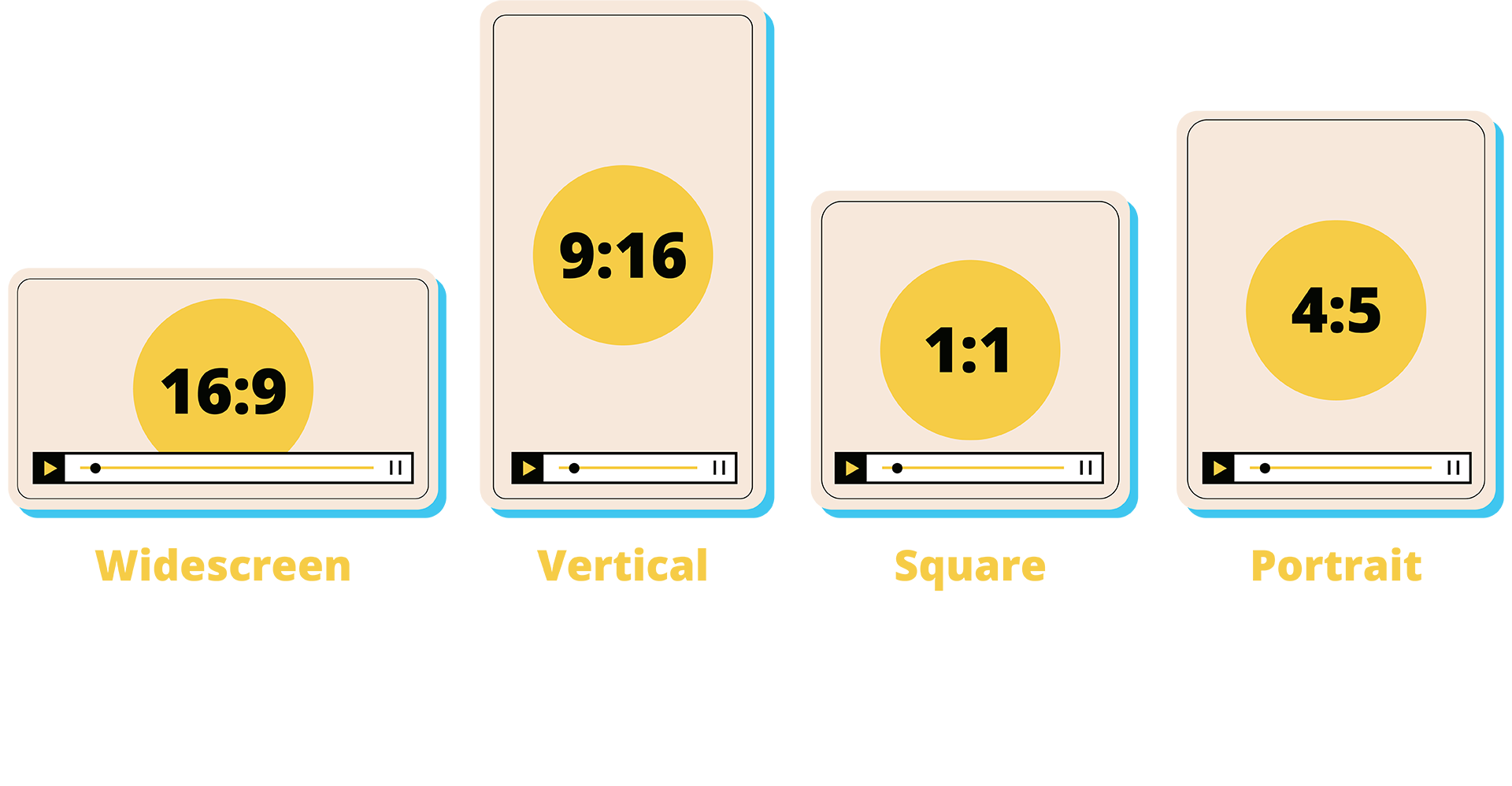
Social Media Videos: Stay Visible and Start Conversations
Social media videos help businesses stay connected with audiences through short, engaging content distributed across platforms such as Instagram, Facebook, LinkedIn, TikTok, and YouTube. Think brand awareness here.
They can take many forms, including behind-the-scenes footage, product demonstrations, customer stories, short advertisements, and educational clips.
One advantage of social media video is the opportunity to build familiarity over time. Instead of introducing your business once and hoping people remember it, you can consistently share useful and engaging content.
A short video showing a product in action might attract someone who has never heard of your company. A customer testimonial might help the same viewer become more comfortable with the brand.
That doesn't mean every business needs to publish videos every day. Consistency, relevance, and a clear understanding of the audience are more valuable than simply producing content to fill a schedule.
Event Videos and Branded Documentaries: Extend the Life of a Story
Corporate events, conferences, product launches, and community activities create opportunities to capture moments that can support marketing long after the event ends.
An event highlight video can communicate energy, demonstrate industry involvement, and give people who couldn't attend a sense of the experience. It also lets them know you're not working from your garage.
For example, a technology company hosting a conference could produce a highlight video for its website, several speaker clips for social media, and short interviews with customers or industry experts.
One event can provide material for multiple marketing initiatives.
Branded documentaries take a more in-depth approach. Rather than promoting a product directly, they explore a meaningful story connected to the company, its customers, or the community it serves.
Both formats can help businesses create content that feels less like conventional advertising and more like something people genuinely want to watch.
Videos That Explain Products and Services
Getting someone's attention is only the beginning.
Once potential customers become interested in a company, they start looking for answers. How does the product work? What problem does the service solve? Is it right for their situation?
This is where educational and explanatory videos become particularly valuable. What would we do in this day and age without YouTube, which has made everything quite a bit more accessible—content that makes decision-making much easier?
A well-planned video can communicate information that might otherwise require several paragraphs of text, multiple photographs, or a lengthy sales conversation.
Explainer Videos: Make Complicated Ideas Easier to Understand
Explainer videos take products, services, or concepts and make them effortless to consume
They're particularly useful when a business offers something innovative, technical, or unfamiliar to its audience.
Imagine a software company introducing a new platform. A detailed list of features might make sense to an engineer, but potential customers are usually more interested in understanding how the software solves their problems.
An effective explainer video starts with the audience's needs and builds the explanation around them.
These videos can use live-action footage, a presenter, product demonstrations, motion graphics, 2D animation, or 3D animation. The production style should support the message rather than distract from it.
Many explainers work well as relatively short videos, but there isn't a universal runtime. A simple concept might take a minute to explain, while a sophisticated product could require several minutes.
The important thing is that the viewer understands the message without feeling overwhelmed.
Best for: Software, healthcare, financial services, technology, specialized equipment, and businesses offering products or services that require additional explanation.
Product Demonstration Videos: Show Instead of Tell
Product demonstration videos allow potential customers to see how something works before committing to a purchase.
Unlike a general promotional video, a demonstration focuses on functionality, practical benefits, and the customer experience.
A consumer product might benefit from a close-up demonstration showing its design and everyday use. Industrial machinery might require a more detailed video highlighting performance, safety features, or the manufacturing process.
Software demonstrations can combine screen recordings, narration, and motion graphics to guide viewers through an application.
The strongest demonstrations don't simply walk through every available feature. They connect those features to benefits customers actually care about.
For example, showing that a machine operates at a particular speed is useful. Demonstrating how that speed improves a production workflow makes the information more relevant to a potential buyer.
Product demonstrations are especially effective on product pages, in sales presentations, and during the consideration stage of a purchase.
Animated Videos and Motion Graphics
One of the most exciting things about animation is that you're no longer bound by the physical world. You can take an audience inside a machine, travel through the human body, bring abstract ideas to life, or create an entire world that exists only in your imagination.
That's where animation and motion graphics really shine. They give businesses the creative freedom to explain, entertain, and tell stories in ways that traditional filmmaking sometimes can't.
Motion graphics can transform ordinary charts, statistics, diagrams, and technical information into engaging visual experiences. Numbers can become moving stories, complex processes can unfold before your eyes, and abstract concepts can take on a life of their own.
2D animation opens the door to imaginative storytelling, using illustrated characters, environments, and movement to communicate ideas with personality and style. 3D animation takes things further, allowing us to create realistic products, explore complex machinery, or build environments that would be impossible or impractical to film.
And animation doesn't have to exist on its own. Combining motion graphics and 3D elements with live-action footage can transform an ordinary scene, reveal what's happening beneath the surface, or add an entirely new dimension to the story while making it more engaging.
The possibilities are practically endless. But what makes animation such a powerful communication tool isn't just the freedom to create something extraordinary. It's the ability to take something complicated, make it understandable, and perhaps even make it unforgettable.
Customer Testimonial Videos: Let Your Customers Tell the Story
Businesses can say wonderful things about themselves, but hearing those things from an actual customer carries a different kind of credibility. Testimonials build trust by sharing genuine experiences and showing potential buyers what it's like to work with your company.
The best testimonials feel like conversations, not rehearsed advertisements. Focus on the customer's challenges, their experience, and the results. A comfortable interview environment, thoughtful questions, and professional production help bring those stories to life.
Learn more about recording professional video testimonials.
Customer Case Study Videos: Demonstrate Real-World Results
While testimonials focus on personal experiences, case study videos take a closer look at how a business solved a specific problem. They're particularly valuable for B2B companies, professional services, and businesses with longer sales cycles.
By combining customer interviews, relevant footage, and measurable results when available, case studies demonstrate your capabilities in action. They give potential customers something more convincing than promises: real examples of your work.
Landing Page Videos: Help Visitors Take the Next Step
Landing-page videos support a specific marketing goal, whether that's generating inquiries, scheduling consultations, or encouraging purchases. They can introduce an offer, demonstrate a product, or answer an important question that might otherwise prevent someone from taking action.
When paired with clear messaging and a compelling call to action, video can help turn interested visitors into customers. The key is making the video relevant to the offer and measuring how it contributes to conversions.
FAQ and Sales Videos: Answer Questions Before They Become Obstacles
Sales conversations often involve the same questions. How does your service work? What happens after someone signs up? What makes your company different?
Short FAQ and sales videos can answer these questions before they become obstacles. They're particularly helpful for complex products or services, giving potential customers the information and confidence they need to move forward. Think of them as an extension of your sales team, available whenever someone needs an answer 24/7.
Building a Video Library That Keeps Working for Your Business
Think about walking into a Home Depot. You have a question, and a helpful team member doesn't just point you toward an aisle. They walk with you, explain your options, demonstrate how things work, and may even save you from an expensive mistake.
Now imagine bringing that same experience to your website or YouTube channel through video.
A well-organized video library can become a valuable resource that works around the clock, answering questions, demonstrating products, and helping potential customers make informed decisions. And unlike a traditional advertising campaign, those videos can continue providing value long after production wraps.
Consider a software company. Instead of simply promoting its platform, it creates a collection of short videos showing how to solve common problems, simplify everyday tasks, and get more out of its features. Someone searching Google for a solution might discover one of those videos, find exactly what they need, and explore how the software could help their business. What started as a simple question could eventually turn into a new customer.
That's where video content and SEO can make a powerful combination. By pairing videos with helpful articles, descriptive titles, written explanations, and relevant search terms, you're giving search engines more context while creating a better experience for visitors. One useful video can lead someone to another article, another demonstration, or eventually a conversation about your services.
Of course, simply uploading videos won't magically move your website to the top of Google. The content needs to answer real questions and offer something worth watching.
Keep adding useful content, revisit it when information changes, and over time you will have built something more valuable than just a collection of videos. You've created a resource that can attract visitors, build trust, and support your business long after the cameras have been packed away.
They can also reduce repetitive support requests, improve the customer experience, and help build lasting relationships.
Choosing the Right Video and Measuring Success
With so many creative possibilities, it's tempting to start with a production style you love. But before deciding on animation, live-action, or something more elaborate, think about your audience and what you want the video to accomplish.
Are you introducing your brand, explaining a complicated product, or helping someone make a buying decision? Where will people watch it, and what would you like them to do afterward? These questions help shape the creative direction, budget, and distribution strategy.
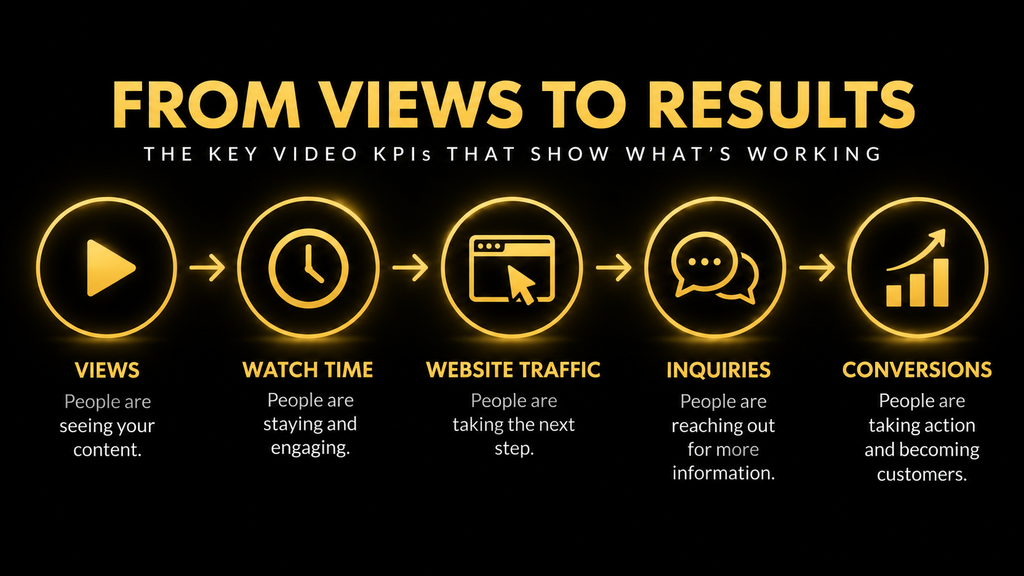
Measuring success is just as important. A brand video might generate thousands of impressions, while a product demonstration with fewer viewers could lead to valuable sales opportunities. Views, watch time, website traffic, inquiries, and conversions all tell different parts of the story. The goal isn't simply to get people watching. It's to get the right people watching and give them a reason to take the next step.
Making the Most of Professional Video Production
A successful video starts long before the cameras roll. From developing the concept and planning the shoot to filming, editing, and finishing, each stage contributes to how effectively the final video communicates your message.
One of the smartest ways to approach video production is to think beyond a single deliverable. A corporate video shoot might also provide footage for social media, customer testimonials, recruitment videos, or future advertising. Planning for these opportunities early can help stretch your production budget and create more content without starting from scratch.
Of course, professional lighting, camera work, sound, and editing all matter. But even the most beautifully produced video won't accomplish much if the message gets lost. Sometimes a simple interview with a compelling story is more powerful than a pricy commercial.
Ultimately, great production is about bringing creativity and communication together. It's knowing when to keep things simple and when to push the boundaries.
Final Thoughts: The Right Video Has a Job to Do
There are many different types of video production, and each offers something valuable to a business.
Brand videos introduce who you are. Promotional videos capture attention. Explainers and product demonstrations help people understand what you offer. Testimonials and case studies build credibility, while educational and training videos continue supporting customers after the sale.
What connects them is the ability to communicate through images, sound, and storytelling.
And that's really where video becomes useful.
Sometimes a potential customer doesn't need another paragraph describing your service. They need to see how it works, hear from someone who has used it, or get a better sense of the people behind the company.
Choosing the right video isn't about following the latest trend or producing the most elaborate content. It's about understanding your audience, finding the clearest way to communicate your message, and giving viewers a reason to take the next step.
If you're exploring ideas for your next project, reach out to Mighty Fine Production Company for a conversation about your goals, creative options, and what kind of production makes the most sense.
Sometimes all it takes is the right idea to get things moving.
Frequently Asked Questions About Video Production for Business
What are the most effective types of video production for businesses?
The most effective video depends on the business goal. Brand and promotional videos help build awareness, explainer and product demonstration videos educate potential customers, and testimonials or case studies help establish trust. Start with the result you want to achieve, then choose the appropriate format.
What type of video should a small business produce first?
For many small businesses, a company overview or brand introduction is a useful starting point. It can explain what you offer, introduce the people behind the business, and give potential customers a reason to connect. However, if customers frequently misunderstand your product, an explainer or demonstration might be more valuable.
What's the difference between a brand video and a promotional video?
A brand video focuses on the company's identity, personality, values, or story. A promotional video usually supports a specific marketing objective, such as launching a product, advertising a service, or encouraging an immediate response. Both can build awareness, but their primary purposes are different.
Are explainer videos and product demonstration videos the same thing?
Not exactly. An explainer video helps viewers understand a concept, product, or service, often by simplifying a problem and presenting a solution. A product demonstration shows how something works, usually highlighting specific features, practical applications, and benefits. Some videos combine both approaches.
Is animation or live-action video better for business marketing?
Neither is inherently better. Live-action video works especially well when showing real people, products, environments, and customer experiences. Animation and motion graphics are useful for illustrating complex information or things that are difficult to film. The best choice depends on the message, audience, and creative requirements.
How long should a business marketing video be?
There isn't one ideal length. A short social media advertisement might communicate its message in a few seconds, while a detailed product demonstration or case study may require several minutes. The goal is to provide enough information to serve the audience without unnecessary repetition. Consider the platform, subject, and viewer's level of interest.
How much does professional video production cost?
Production costs depend on the scope of the project, crew size, locations, equipment, filming schedule, animation requirements, and post-production work. A straightforward interview or demonstration generally involves different resources than a commercial with multiple locations, actors, or extensive visual effects. A defined objective and realistic budget help guide the production approach.
Can one video be used across several marketing platforms?
Yes, although different platforms may require changes in length, framing, captions, or aspect ratio. A longer brand video, for example, might provide footage for shorter social media edits, advertisements, or website content. Planning these deliverables before filming makes it easier to create versions that feel appropriate for each platform.